🏔️ The Everest Base Camp- If you’ve ever dreamed of standing in the shadows of the world’s tallest mountain, then the Everest Base Camp Trek is probably already on your bucket list. I get it—I was the same. Something about the raw adventure, the dramatic landscapes, and the thought of walking in the footsteps of legendary climbers called out to me.
In this post, I’m sharing everything I learned from my experience on the Everest Base Camp Trek—what makes it special, how to prepare, what to pack, and what to expect. If you’re planning your own journey or just curious, this guide will walk you through it all.
🗺️ What is the Everest Base Camp Trek?
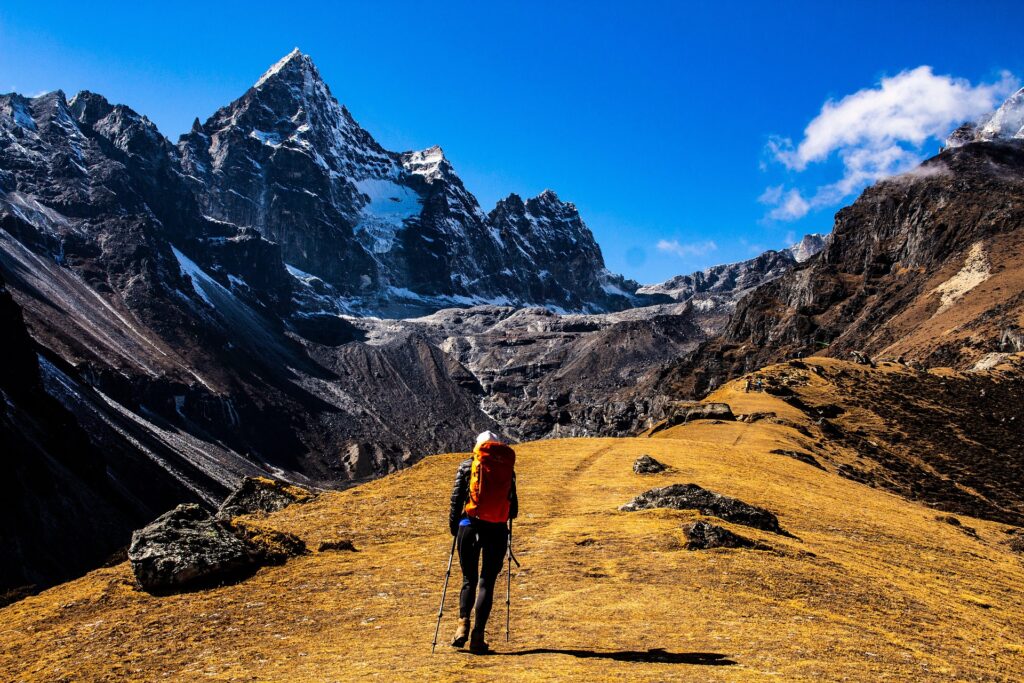
The Everest Base Camp (EBC) is considered one of the most renowned trekking routes in the world. It takes you through the heart of the Khumbu region in Nepal, leading all the way to the base of Mount Everest at 5,364 meters (17,598 feet).
What makes it so meaningful is not just the destination—although standing at base camp with Everest looming nearby is unforgettable—but also the journey. You pass through ancient Sherpa villages, Buddhist monasteries, and jaw-dropping mountain passes.
While other treks like the Annapurna Base Camp are stunning in their own right, the EBC trek holds a mythical status. You’re not just hiking—you’re entering a legacy.
🥾 Trekking Route Overview
🗓️ Standard Itinerary (12 Days Trekking)
Here’s a quick breakdown of my itinerary:
- Day 1: Fly to Lukla, trek to Phakding
- Day 2: Phakding to Namche Bazaar
- Day 3: Acclimatization in Namche
- Day 4: Namche to Tengboche
- Day 5: Tengboche to Dingboche
- Day 6: Acclimatization in Dingboche
- Day 7: Dingboche to Lobuche
- Day 8: Lobuche to Everest Base Camp includes an overnight stop in Gorak Shep.
- Day 9: involves a hike to Kala Patthar for sunrise, followed by a return trip to Pheriche.
- Day 10–12: will see you trekking back to Lukla along the same path.
You start and end in Lukla, a small mountain airstrip that’s both thrilling and terrifying to fly into.
🔄 Alternative Routes
If you want to avoid the crowd, you can take the Gokyo Lakes route or the Three Passes Trek—both are more challenging but reward you with even more scenic diversity.
📅 Optimal Period for the Everest Base Camp Trek
Timing is key. I trekked in autumn (October), which is the most popular season for clear skies and stable weather.
- Spring (March–May): Great weather, blooming rhododendrons, and busier trails.
- Autumn (Sept–Nov): Best visibility, mild weather, but crowded.
- Winter (Dec–Feb): Cold and snowy, but fewer trekkers.
- Monsoon (June–Aug): Heavy rain, poor visibility—not ideal.
💪 Physical Preparation and Fitness Level Required
You don’t have to be an ultra-athlete, but you do need solid cardio endurance. I trained with long hikes, stair climbing, and some weight training. More importantly, go slow and give your body time to acclimatize to the altitude.
My advice? Start training at least 2–3 months before your trek, and take rest days seriously on the trail.
📝 Permits and Documentation
You’ll need a few documents before heading out:
- Sagarmatha National Park Permit
- Khumbu Pasang Lhamu Rural Municipality Permit
- (No more TIMS card required for this trek as of recent updates)
These can be arranged in Kathmandu or via your trekking agency. I paid around $50 USD total for both.
🎒 Follow this Packing List for the Everest Base Camp Trek
Packing smart is essential. Here are my must-haves:
- Warm layers: Temperatures can drop fast.
- Down jacket (rented in Kathmandu)
- Trekking boots (well broken-in!)
- Sleeping bag (rated to -10°C or colder)
- Water purifier bottle or tablets
- Snacks: Energy bars, nuts, etc.
If you’re missing gear, you can rent almost anything in Thamel, Kathmandu. I saved money by renting a sleeping bag and jacket there.
🛏️ Accommodation and 🍜 Food
Don’t expect luxury, but the teahouses along the trail are cozy and welcoming. Most offer twin beds, basic blankets, and shared toilets. The higher you go, the more basic things get.
Food was surprisingly good—dal bhat, momos, pasta, and soups are staples. Expect to pay more the higher you climb (e.g., $3 for tea in Namche, $5 in Gorak Shep).
🚑 Health and Safety Tips
Altitude sickness is real. I met a few trekkers who had to descend due to symptoms like headaches, nausea, and dizziness. Here’s what helped me:
- Ascend slowly
- Stay hydrated (3–4 liters/day)
- Avoid alcohol and caffeine
- Consider Diamox (consult your doctor first)
I also made sure my travel insurance covered helicopter evacuation, just in case.
💰 Cost of the Everest Base Camp Trek
Here’s my rough budget:
- Flights (Kathmandu–Lukla): $180–$200 round trip
- Permits: ~$50
- Guide and Porter: $25–$35/day (each)
- Food and Accommodation: ~$25–$40/day
- Miscellaneous: Tips, snacks, Wi-Fi, charging
The total cost for a 14-day expedition is approximately $1,200 to $1,500, depending on your selections.
Tip: Trekking with a group or joining a local agency can save money.
🧭 Hiring a Guide or Going Solo
I decided to employ both a guide and a porter, and it really enriched the experience.
- Guided Trek Pros: Safer, culturally enriching, stress-free
- Solo Pros: Cheaper, more flexible
If you’re trekking alone, have offline maps and understand the signs of altitude sickness.
🏞️ Cultural and Scenic Highlights
Some moments that stood out to me:
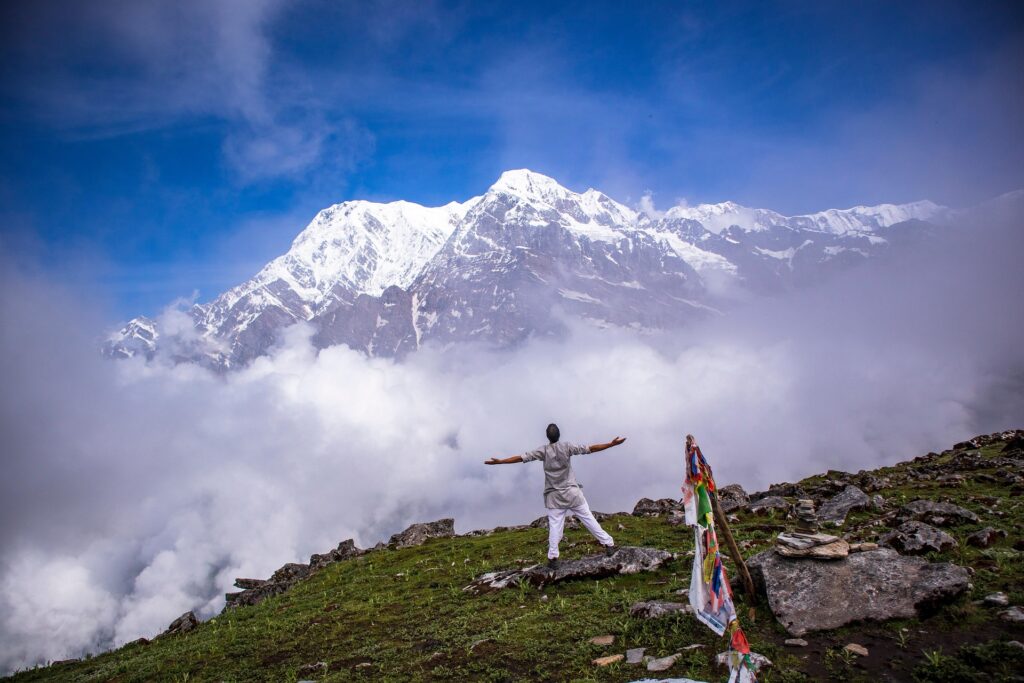
- Exploring Namche Bazaar, the vibrant Sherpa town
- Visiting the Tengboche Monastery with Everest in the background
- Watching sunrise from Kala Patthar—easily one of the most beautiful sights I’ve ever seen
The people, prayer flags, yaks, and mountain vistas combine for a truly unforgettable experience.
✅ Tips for a Successful Trek
- Ensure you acclimatize effectively: follow the principle of “climb high, sleep low.”
- Don’t rush: The trek is not a race
- Be eco-conscious: Avoid single-use plastics
- Respect the locals: A little Nepali (like “Namaste”) goes a long way
❓ Frequently Asked Questions (FAQs)
How long is the Everest Base Camp Trek?
About 12 days of trekking, plus 2–3 days in Kathmandu or travel buffer.
Is the EBC trek dangerous?
Not if you’re prepared and go slow. Altitude is the biggest risk.
Do I need prior trekking experience?
No, but being fit helps. It’s challenging, not technical.
Can I charge electronics on the trail?
Yes, but it’ll cost $2–$5 per charge. Bring a power bank or solar charger.
🏁 Conclusion
The trek to Everest Base Camp was more than just a hike—it was a transformative journey. From the stunning views to the personal challenges, every day on the trail brought something new.
If you’re thinking about doing it, go for it—but go prepared. If you have any questions or need help planning, drop a comment below. I’d love to help you get started on your own adventure to Everest.
here is one more article on Best Trekking places In December
Pingback: Best Trekking Places in India - 2026